
We're all doing this for the first time...
Being human is hard. Raising a human is even harder.
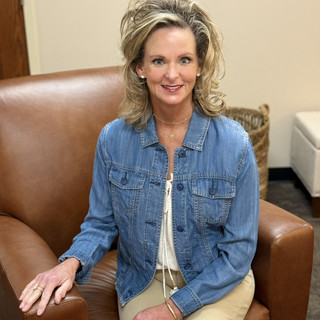
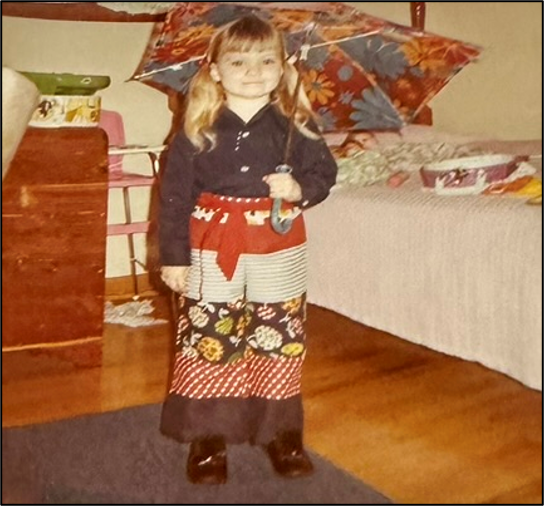
"I don’t remember many details of my childhood, but when I look back at pictures, I don’t see a girl who was very happy. And while it would be understandable to feel badly about the clothing and hair styles of the 70s and 80s, I see more than that: I see real sadness and loneliness in that little girl’s eyes." Ginger Bliss, excerpt from the memoir, Brave Enough To Be Bliss
Fact: We live in an imperfect world with imperfect natural events and processes that are out of our control.
Fact: Every human being is imperfect.
Fact: Every human is being human for the first time.
Fact: Every human is unique, including their needs, wants, fears, and behaviors, based on their experiences in this imperfect world with other imperfect humans.
Fact: That includes parents.
Fact: That includes children of every age.
Fact: That includes every, single human being on this planet. There are no exceptions.
Fact: Human relationships can therefore be quite difficult even for those people, and sometimes particularly, for those people who created us.
Fact: Love doesn't automatically create a healthy relationship. Only healthy humans do.
"There are no perfect parents, including me, and that shouldn’t even be the goal. The goal should be to become the healthiest parents we can be. We are all hurt as children in some way, since there are no perfect parents. It seems like when we become parents ourselves, we tend to either imitate the way our parents hurt us or do the exact opposite of everything our parents did. I’ve learned the healthy place for me is generally in the middle versus either end of the spectrum on most everything."
After talking with many friends and clients, I believe it is more than the pain we experience in childhood that affects us so deeply, it is the fact that most of us have kept that pain a secret. Blaming ourselves for any pain experienced is often how a child's brain makes sense of this imperfect world and its imperfect people. And when we make it our fault, we have control and are able to believe there's a way to change our reality moving forward. But often as children there isn't any way to change our reality, we are stuck in it without real choice.
Our brains develop further as we age, but when we don't talk with anyone about the pain we endured, no matter what was done or left undone, our brains stay stuck there guarding against the danger from when we were children, even though the actual danger may be long gone. It was described to me by my self-compassion coach as an open file in the filing cabinet. Those painful events that happened to me as a child hadn't been filed away, closed; so, my brain thought it still needed to guard against them for my protection. It makes sense then that I behaved in ways that hurt my relationships. I simply wasn't aware that I was behaving in ways that guarded me against a danger that no longer existed. I pushed people away who may have truly loved me because even love felt unsafe.
When each of us who has unhealed childhood wounds can learn to look at the child who still exists within us and do so with compassion, love and kindness, that's when healing can begin. And eventually when we can also look at parents or others who may have caused us pain with compassion, because perhaps they haven't yet healed their own childhood wounds, we can begin to understand that this imperfect world is filled with many imperfect and hurting humans who are unfortunately behaving in the only ways they know how at the time. Having compassion for other humans doesn't mean we have to reconcile with them if it would be unhealthy to do so, but it does mean that we have the opportunity to heal those wounds for ourselves. Compassion allows us to see others as the hurting humans they are versus judging and condemning them and continuing to harbor feelings that aren't helpful to us.
When we stop trying to control other people and simply work on our own issues, we can begin to see that we have enough to resolve within ourselves and focus there. That can help us recognize, since we're living this life for the first time too, that we don't get it right all the time either. Self-compassion can enhance our compassion for humanity including those who have hurt us.
People behave in hurtful ways, and compassion doesn't excuse their behavior, it only offers an understanding that we imperfect humans often act imperfectly.
Fact: With less fear and control and more love and compassion, this imperfect world with its imperfect people can feel a lot more hopeful.
And today, I think, we can all use more hope.
If you need to find more love and grace for yourself or within any of your relationships, schedule a free virtual or email 30-minute consultation with me to get started making a move toward a healthier life with healthier relationships. Schedule Now
If you would like me to speak with your group about any topics covered in the book, including depression/suicide, sexual abuse/assault, spirituality, compassion/self-compassion, self-awareness and self-reflection, fear and control in relationships, the impact of unhealed pain on relationships, healthy parenting, or virtually any other real life issue, please contact me at gbliss@gbreal.life.


Comments